Sliding, French, or Solid Wood: Choosing the Perfect Door for Your Home
Choosing the right door for your home is a decision that impacts both the functionality and aesthetic appeal of your space. Whether it’s the front entry door, patio door, or internal rooms, the door plays a pivotal role in the ambiance, security, and energy efficiency of your home. However, with so many styles available—sliding, French, or solid wood—homeowners often find themselves overwhelmed by the options. Each type of door offers distinct advantages, but understanding which one suits your needs is key to making the best choice.
In this blog, we will explore the various door styles—sliding, French, and solid wood—breaking down their benefits, potential drawbacks, and practical applications. By considering the material, functionality, and design of each option, you can make an informed decision. Whether you’re upgrading your current doors or planning a renovation, this guide will help you select the perfect door for your home.
1. Sliding Doors: A Modern Choice for Open Spaces
Space-Saving Design
Sliding doors are a popular option for homeowners looking to maximize space. Unlike traditional swinging doors, which require a certain amount of clearance to open, sliding doors glide smoothly along a track, making them an ideal choice for smaller rooms or areas where space is limited. In modern homes, sliding doors are often used to connect indoor spaces with outdoor patios, balconies, or gardens, contributing to an open-concept living environment.
Seamless Indoor-Outdoor Transition
One of the main benefits of sliding doors is the seamless connection they create between indoor and outdoor spaces. A sliding patio door, for example, can open up a room to the outdoors, allowing natural light to flood the space and providing unobstructed views of your backyard or garden. This creates an airy, light-filled atmosphere that enhances the overall appeal of your home.
Energy Efficiency and Materials
Modern sliding doors come with improved insulation and energy-efficient features, such as double glazing, low-emissivity (Low-E) glass, and advanced weather stripping. This makes sliding doors a suitable option for homeowners who want to reduce energy costs while maintaining comfort inside their homes. Sliding doors are also available in a variety of materials, including wood, vinyl, and aluminum, each offering different levels of durability, insulation, and maintenance needs.
Considerations and Drawbacks
While sliding doors are stylish and space-efficient, they do have a few considerations. They may require a more intricate installation process due to their track and rolling system. Also, depending on the material used, sliding doors may not offer the same level of security as solid wood doors. This is something to keep in mind, especially for exterior doors. Lastly, sliding doors may also become difficult to operate if the tracks are not properly maintained or cleaned regularly.
2. French Doors: Elegance and Functionality Combined
Timeless Appeal and Aesthetic Value
French doors are often considered the epitome of elegance in home design. Characterized by two hinged doors that open outward, French doors can add a sophisticated, romantic touch to any room. Whether they’re installed in the living room, dining room, or as an entryway to a patio or garden, French doors create a refined and classic look that enhances the style of the space.
Natural Light and Ventilation
Another key benefit of French doors is their ability to maximize natural light and ventilation. When opened, French doors provide an unobstructed flow of air, helping to regulate the temperature of a room while offering a refreshing breeze. The expansive glass panels allow sunlight to stream in, making the room feel more open and airy. French doors can be particularly beneficial in spaces that need extra brightness, such as kitchens or home offices.
Customization Options
French doors offer plenty of customization options, allowing homeowners to choose from various wood types, glass patterns, and hardware finishes. This means you can tailor the door to fit the unique design of your home. Additionally, French doors can be installed with multiple security features, such as multi-point locking systems and impact-resistant glass, providing peace of mind without sacrificing style.
Considerations and Drawbacks
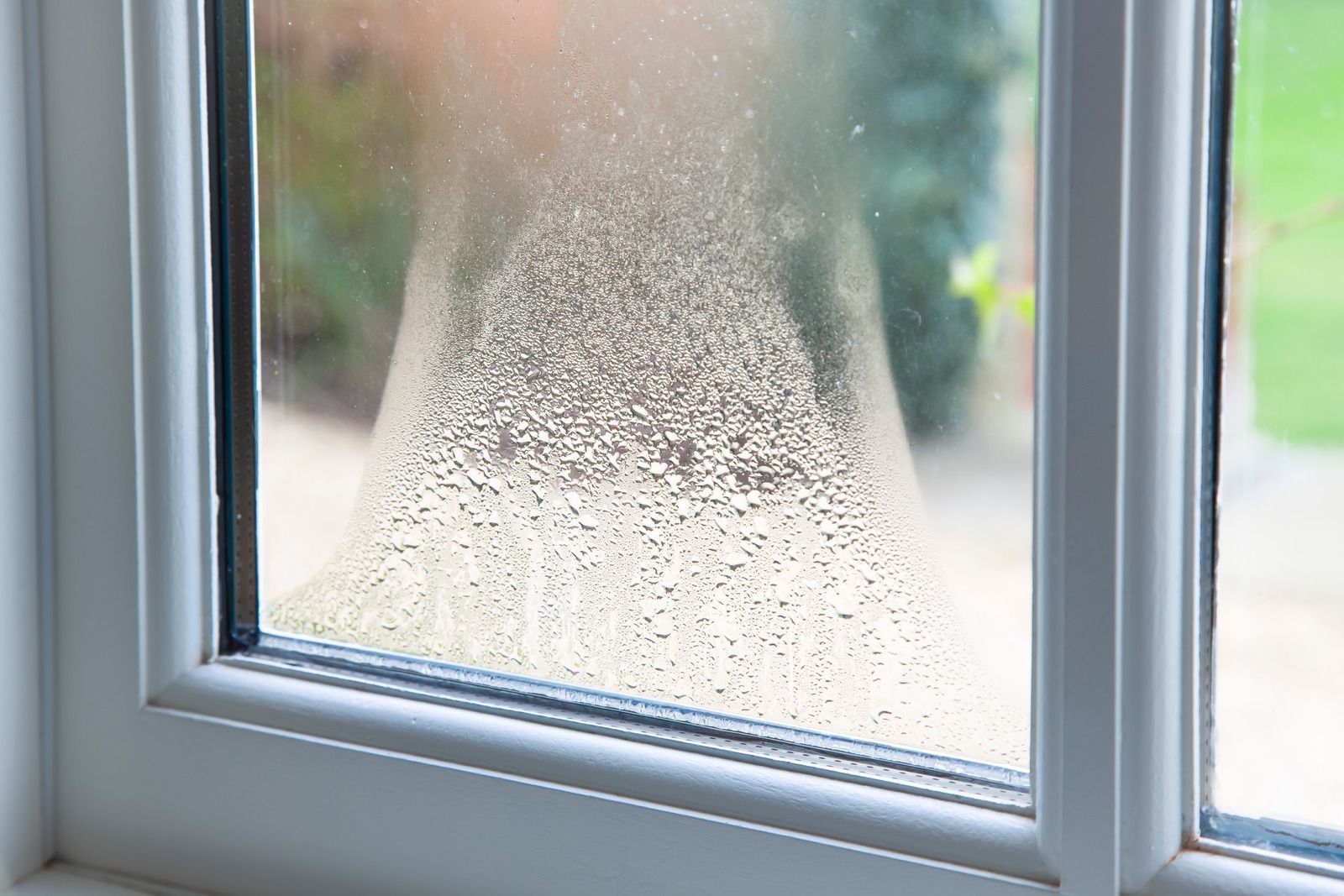
One downside to French doors is the amount of space they require when opened. Since both doors swing outward, you’ll need to plan for enough clearance in the room. This may not be an ideal solution for smaller spaces or areas with limited floor space. Additionally, French doors can be more expensive than other door types, especially when custom options are involved. Maintenance is also an important factor to consider; the hinges and handles must be regularly lubricated, and the glass panels can accumulate dirt or condensation over time, requiring periodic cleaning.
3. Solid Wood Doors: Classic Durability and Strength
Strength and Security
Solid wood doors are known for their strength and durability. Made from thick, sturdy timber, these doors provide superior security compared to their sliding or French counterparts. The dense material is difficult to break, making solid wood doors a great option for exterior entryways, where security is a top priority. Additionally, solid wood doors tend to provide better soundproofing than other door types, making them a solid choice for home offices or bedrooms that need a quiet environment.
Aesthetic Versatility
One of the primary advantages of solid wood doors is their versatility. Whether you’re aiming for a rustic, modern, or traditional look, a solid wood door can be customized to match any design scheme. From classic oak to rich mahogany, the natural wood grain adds a level of warmth and texture that complements a wide range of home styles. Furthermore, solid wood doors can be stained, painted, or finished to achieve the desired aesthetic effect, giving homeowners full control over their doors’ appearance.
Longevity and Value
When properly maintained, solid wood doors can last for decades, making them an excellent long-term investment for homeowners. The longevity of a solid wood door is unmatched, and its timeless appeal often enhances the resale value of a property. Homebuyers are typically drawn to the sturdiness and elegance of solid wood doors, which can make a strong first impression.
Considerations and Drawbacks
While solid wood doors offer exceptional durability, they do have some potential downsides. The cost of solid wood doors can be higher than that of other types of doors, especially if premium wood is used. Additionally, wood is susceptible to moisture, which can cause swelling or warping over time if the door is not properly sealed. Regular maintenance, such as reapplying the finish and keeping the door protected from harsh weather conditions, is essential to maintaining the integrity and appearance of the door.
4. Choosing the Right Door for Your Home: Factors to Consider
Space and Room Size
When deciding between sliding, French, or solid wood doors, the size of the room and the available space should be a primary consideration. Sliding doors are ideal for smaller rooms or areas where space is tight, as they require less clearance. On the other hand, French doors are best suited for larger spaces, where the doors can open freely without blocking traffic. Solid wood doors can be used in both large and small spaces, depending on the style and design of the room.
Security Needs
Another critical factor is security. Solid wood doors offer the highest level of security, making them the best option for front entryways or rooms that require heightened protection. French and sliding doors, while secure, may not offer the same level of protection due to their construction and the materials used. If security is a top priority, consider investing in reinforced glass or additional locking mechanisms for sliding or French doors.
Budget Considerations
Your budget will play a significant role in choosing the right door for your home. Sliding doors are often the most affordable option, especially when made from vinyl or aluminum. French doors tend to be more expensive due to their materials and design, particularly if you opt for custom features or premium glass. Solid wood doors are usually the priciest option, but they offer long-term value due to their durability and aesthetic appeal.
Maintenance Requirements
All door types require some degree of maintenance, but the level of upkeep varies. Sliding doors may require occasional cleaning of the tracks to ensure smooth operation. French doors may need more frequent attention to hinges and glass panels. Solid wood doors, while durable, require regular sealing and refinishing to prevent damage from moisture and sun exposure.
Choosing the Right Door with Professional Insight
When choosing a door for your home, it’s essential to consider your space, security needs, budget, and maintenance preferences. Sliding doors are a great option for saving space and creating seamless transitions between indoor and outdoor spaces. French doors add elegance and allow for natural light to flood your home, making them perfect for creating an airy atmosphere. Solid wood doors offer unmatched strength and security, making them ideal for entryways or high-traffic areas that require durability and a classic aesthetic.
At A&D Exteriors and Remodeling, we understand that selecting the right door is an important decision for your home. With our expertise in
door installation
and home remodeling, we offer a wide range of high-quality options tailored to your specific needs. We take pride in helping homeowners in Oswego, Illinois, transform their spaces with doors that are not only functional but also enhance the beauty and value of their homes. With 10
years of experience in the industry, our team is dedicated to providing reliable, professional services that ensure your home’s doors stand the test of time.