Vinyl vs. Fiber Cement Siding: Which Option is Right for Your Home?
Choosing the right siding for your home is one of the most significant decisions in residential construction and remodeling. Siding not only defines the exterior appearance of a house but also impacts its durability, maintenance needs, energy efficiency, and overall property value. Among the most popular options available today, vinyl siding and fiber cement siding stand out for their balance of affordability, aesthetic appeal, and long-term performance. Understanding the differences between these materials is crucial for homeowners who want a solution that aligns with their lifestyle, climate, and budget. Making an informed choice can prevent costly repairs, enhance curb appeal, and ensure the exterior of your home withstands the elements for decades. In addition, the right siding contributes to overall energy efficiency, reducing heating and cooling costs while improving indoor comfort.
Vinyl and fiber cement siding each offer unique advantages and challenges. Vinyl siding is often lauded for its cost-effectiveness and ease of installation, while fiber cement is praised for its resilience and premium appearance. However, selecting the right material involves more than just considering initial costs. Factors such as maintenance requirements, resistance to weather conditions, fire safety, and the ability to replicate natural materials all play a role in determining the ideal choice for your home. Homeowners must also weigh long-term value against aesthetic goals, as siding is both a functional and visual investment. This article provides an in-depth comparison of vinyl and fiber cement siding, offering actionable insights, real-world scenarios, and expert reasoning to help you make an informed decision that will protect and enhance your property for years to come.
1. Material Composition and Durability
Understanding Vinyl Siding
Vinyl siding is a synthetic plastic exterior covering primarily made from polyvinyl chloride (PVC). It is manufactured in sheets or panels, which can be molded to mimic traditional wood grain or modern finishes. One of vinyl siding’s key advantages is its resistance to rot, insects, and moisture, making it particularly suitable for humid or wet climates. Homeowners also appreciate vinyl for its ability to withstand minor impacts and fading, especially when coated with UV-resistant layers.
Fiber Cement Siding Composition
Fiber cement siding combines cement, sand, and cellulose fibers to create a dense, durable material. The cellulose fibers provide flexibility and strength, while the cement-sand matrix ensures resistance to fire, water, and pests. Fiber cement is heavier than vinyl, requiring professional installation, but it excels in longevity and structural integrity. Many homeowners favor fiber cement for areas prone to harsh weather, including heavy rainfall, snow, and high winds, due to its robust nature.
Durability Considerations
While vinyl siding can last 20–40 years under proper maintenance, fiber cement siding can endure 30–50 years or more. Fiber cement is less susceptible to warping or fading and is highly resistant to extreme temperatures. Vinyl, though resilient, may crack under severe impact or shrink in extreme cold. Evaluating the lifespan of these materials helps homeowners balance cost and long-term value effectively.
2. Aesthetic Appeal and Design Flexibility
Vinyl Siding Options
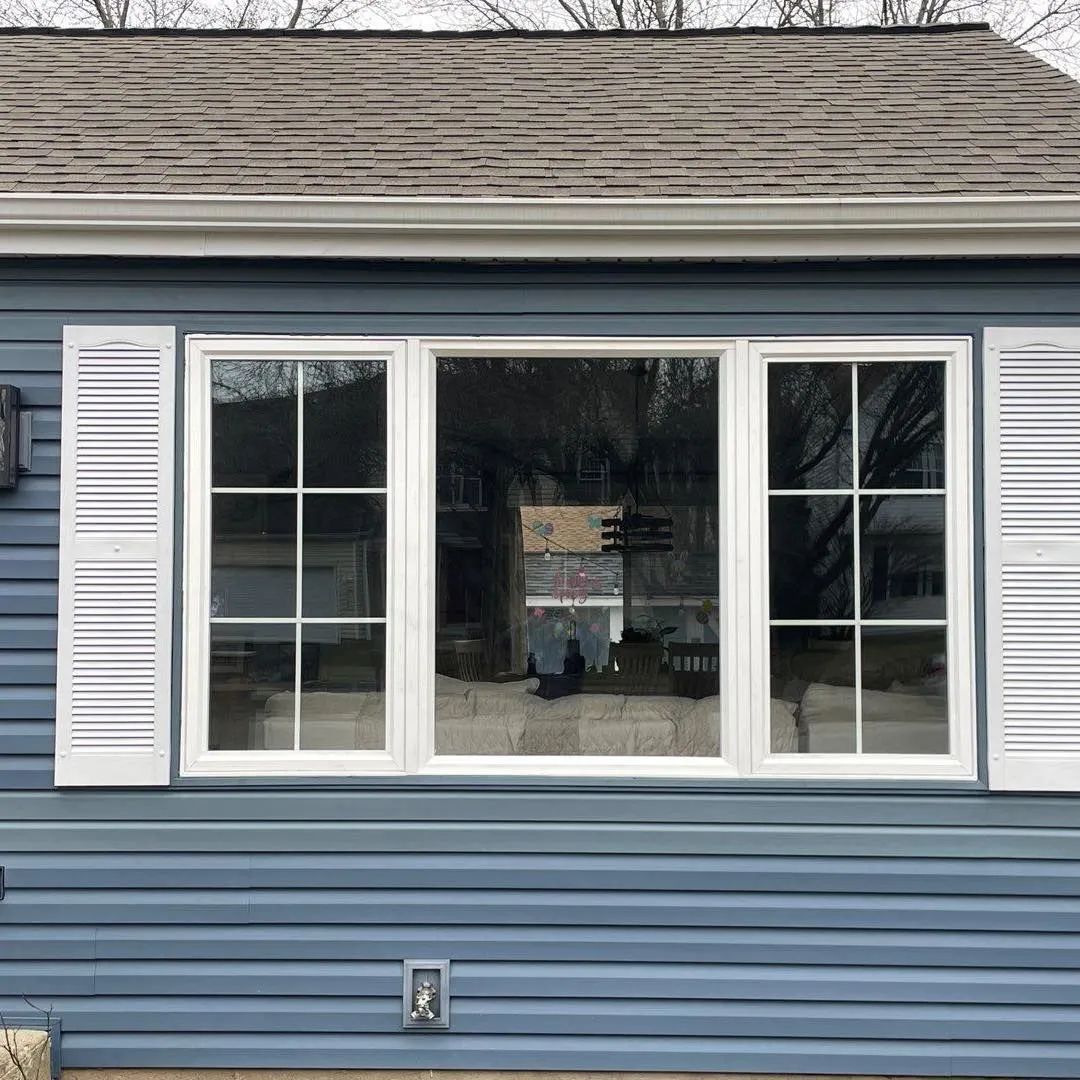
Vinyl siding offers a wide range of colors, textures, and profiles. Homeowners can choose from horizontal or vertical panels, shingles, and even lap siding patterns. Modern vinyl can replicate the appearance of natural wood, providing a classic aesthetic without the associated maintenance challenges. Additionally, pre-finished colors and low-maintenance coatings eliminate the need for frequent painting, offering a hassle-free visual appeal.
Fiber Cement Siding Styles
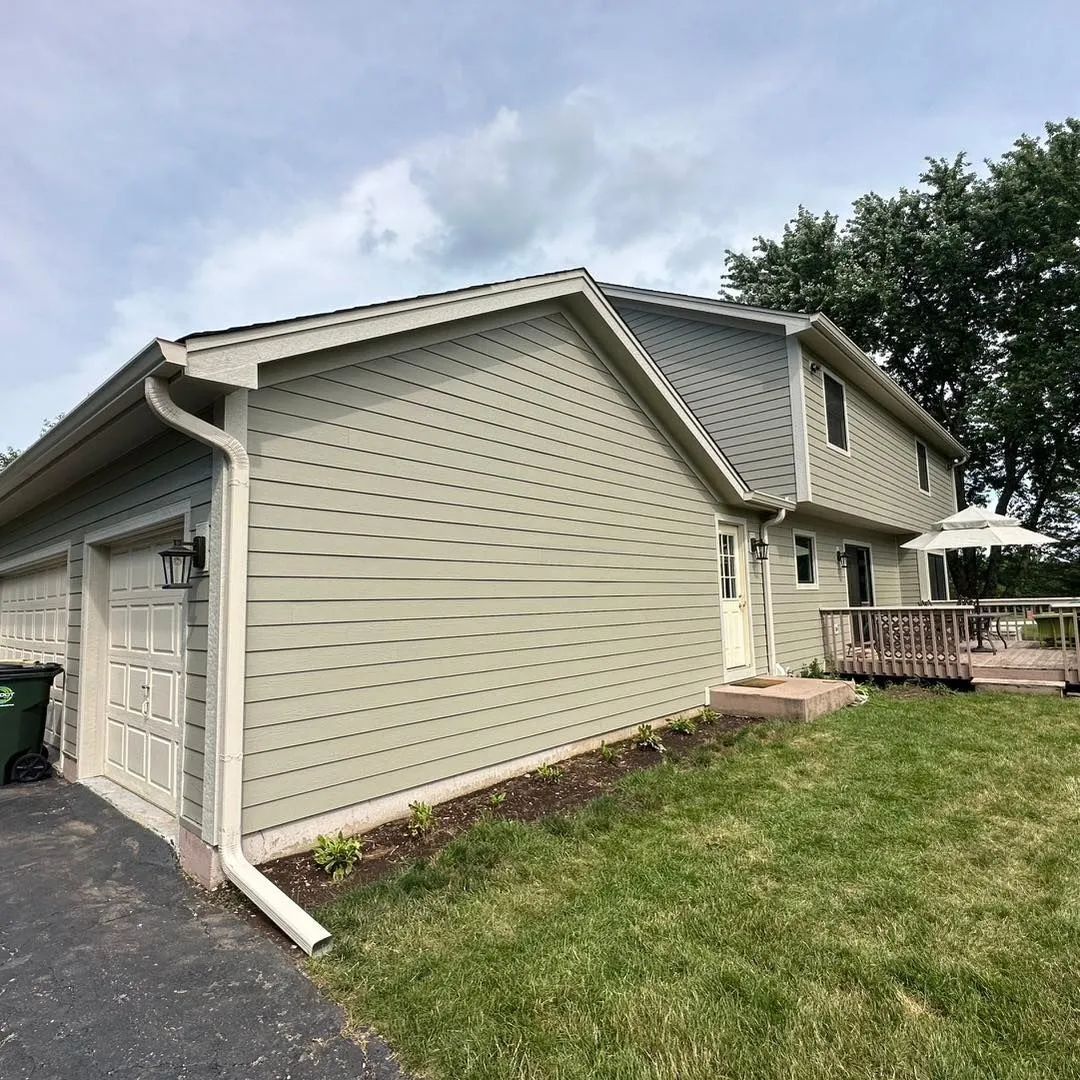
Fiber cement siding provides unmatched versatility in replicating wood, stucco, or masonry textures. It can be painted in virtually any color, offering flexibility for homeowners seeking a customized look. Unlike vinyl, which is limited in color change after installation, fiber cement allows repainting, making it an excellent choice for homeowners who enjoy updating exterior aesthetics over time.
Real-World Scenario
For instance, a homeowner in a historic neighborhood may opt for fiber cement siding to maintain architectural authenticity, as it can convincingly mimic wood clapboard or shingle styles. Conversely, a family seeking a low-maintenance, cost-effective solution may prefer vinyl siding for its pre-finished colors and simple cleaning requirements. Both materials accommodate different design goals, but the choice depends on desired appearance, maintenance tolerance, and budget constraints.
3. Maintenance and Upkeep
Vinyl Siding Maintenance
Vinyl siding requires minimal upkeep, which is one of its strongest selling points. Occasional washing with a garden hose or mild detergent is sufficient to maintain its appearance. Vinyl does not require painting or sealing, which reduces long-term maintenance costs. However, homeowners must be cautious about damage from high-impact objects, as cracks or holes may necessitate panel replacement.
Fiber Cement Siding Care
Fiber cement siding is highly durable but requires more proactive maintenance. While it resists pests and rot, it can absorb moisture if paint or sealant deteriorates over time. Homeowners should repaint fiber cement every 10–15 years to maintain protection and aesthetic quality. Cleaning is straightforward, but power washing must be done carefully to avoid water infiltration into seams or joints.
Best Practices for Longevity
For both materials, proper installation is critical. Vinyl siding should be installed with slight gaps to allow expansion and contraction, preventing warping. Fiber cement must be installed with moisture barriers and flashing to avoid water damage. Regular inspections and prompt repairs of damaged areas will ensure maximum lifespan and sustained curb appeal.
4. Cost and Value Considerations
Vinyl Siding Costs
Vinyl siding is widely recognized for its affordability. Material costs typically range from $2 to $7 per square foot, with installation adding another $2 to $5 per square foot depending on complexity and labor rates. Homeowners on a budget often favor vinyl due to its low upfront cost and minimal maintenance expenses.
Fiber Cement Investment
Fiber cement siding carries higher initial costs, generally ranging from $5 to $13 per square foot, with installation adding $5 to $10 per square foot. The increased cost reflects material density, professional installation requirements, and long-term durability. Despite the higher investment, fiber cement often provides better long-term value due to its extended lifespan, higher resale appeal, and resistance to environmental damage.
Return on Investment
In practice, fiber cement siding can boost property value more significantly than vinyl, particularly in areas with harsh climates or neighborhoods with premium architectural standards. Vinyl remains a practical choice for cost-conscious homeowners seeking a balance of affordability, appearance, and maintenance ease.
5. Climate, Environmental, and Safety Considerations
Performance in Different Climates
Vinyl siding performs well in moderate climates but can expand, contract, or crack under extreme temperatures. High heat may cause warping, while freezing conditions can lead to brittleness. Fiber cement siding excels in extreme conditions, resisting moisture, wind, and temperature fluctuations. Its fire-resistant properties make it ideal for areas prone to wildfires or other fire hazards.
Environmental Impact
From an environmental perspective, fiber cement is often considered more eco-friendly. It contains natural materials and is recyclable at the end of its lifespan. Vinyl siding, while durable, is petroleum-based and less biodegradable. Homeowners concerned about sustainability may weigh the ecological implications alongside performance and cost.
Safety and Risk Factors
Fiber cement’s non-combustible nature provides additional safety for homes in wildfire-prone regions. Vinyl siding, while generally safe, can melt or emit fumes under extreme heat. Understanding these risks is vital for homeowners when selecting siding for both protection and insurance considerations.
6. Installation and Professional Requirements
Ease of Vinyl Siding Installation
Vinyl siding is lightweight and relatively simple to install, often making it a suitable option for DIY enthusiasts or cost-conscious homeowners. Panels are easy to cut, snap into place, and secure with nails or screws. Proper alignment and allowance for expansion are crucial for preventing buckling or warping over time.
Fiber Cement Installation
Fiber cement siding is heavier and more rigid, requiring specialized tools and professional expertise. Cutting fiber cement produces dust containing silica, necessitating protective measures during installation. Improper installation can lead to moisture infiltration, cracking, or uneven finishes, making professional installation strongly recommended.
Expert Recommendations
Homeowners should carefully consider their comfort level with installation and long-term maintenance. Vinyl siding offers simplicity and reduced labor costs, while fiber cement demands professional skills but rewards with superior durability and aesthetic versatility. Consulting experienced contractors can help identify the optimal solution based on property size, design goals, and local climate conditions.
Dependable Exterior Specialists Protecting Your Investment
Choosing between vinyl and fiber cement siding requires a careful assessment of durability, aesthetics, maintenance, cost, climate suitability, and safety considerations. Vinyl siding provides affordability, ease of installation, and low maintenance, making it ideal for homeowners seeking convenience and budget-friendly solutions. Fiber cement siding, with its superior strength, design flexibility, and long-lasting performance, suits properties that demand resilience and premium visual appeal. Understanding these factors allows homeowners to make informed decisions that balance immediate needs with long-term value and property protection.
For homeowners in Oswego, Illinois, A&D Exteriors and Remodeling
has over 10
years of experience guiding families through siding selections and exterior renovations. Our team combines professional expertise with personalized service, ensuring every project achieves both functionality and aesthetic excellence. We assist clients in evaluating material options, considering local climate impacts, and delivering precise installation. Whether you choose vinyl or fiber cement siding, A&D Exteriors and Remodeling
is committed to providing reliable, high-quality solutions that enhance your home’s beauty, durability, and value. Trust our experience to make your
siding project seamless, informed, and successful.