Siding Cracked, Warped, or Buckling After an Illinois Winter? Why It Happens
Quick Answer: Siding cracks, warps, or buckles after winter mostly because vinyl panels expand and contract with temperature and need room to move — a 12-foot panel can shift close to half an inch across a 100-degree swing. When panels are nailed too tight, when ice-dam meltwater or wind-driven snow gets behind them, or when years of sun exposure have made the material brittle, that movement turns into cracks, waves, or panels pulling loose from the wall. Sun-facing walls and older, darker-colored siding show it first. Small chips or hairline cracks are usually cosmetic, but soft spots, gaps between panels, or bulging that suggests trapped moisture point to something more serious underneath.
You walk outside after the first real thaw and something looks off. A panel near the corner of the garage is bowed out like it's trying to peel away from the house. Down by the downspout, there's a crack running clean through two courses of siding that wasn't there before Thanksgiving. It's easy to assume a storm did it, or that the siding is just getting old — and sometimes that's true. But most of the time, what you're looking at is the direct result of a Chicago-area winter doing exactly what it does: freezing, thawing, freezing again, and pushing your siding past what it was built to handle.
Vinyl siding isn't a static shell bolted to your house. It's a plastic material that moves — swelling in the heat, shrinking in the cold, and sliding against its own fasteners thousands of times over the years. In a normal climate, that movement is invisible. In the western and southwest suburbs, where a January afternoon can swing from 15 degrees to 40 and back down again overnight, that movement gets tested constantly. When something in the installation or the material itself can't keep up, you end up with the cracks and buckles you're staring at right now.
How Vinyl Siding Actually Moves With the Temperature
Vinyl has a much higher rate of thermal expansion than wood, brick, or fiber cement. A single 12-foot panel can grow or shrink by close to half an inch as temperatures swing across a 100-degree range — and Illinois hits that range every year, from summer afternoons in the 90s to overnight lows well below zero. That's not a defect. It's how the material is designed to work, as long as it's allowed to slide.
Every panel is manufactured with a locking system at the top and slotted nail holes along a nailing hem. The slots aren't there by accident — they let the panel creep left and right as it expands and contracts, while the nail head holds it loosely against the wall. Picture a curtain rod: the rings need to slide freely, not get pinned in place. Vinyl siding works the same way. When that sliding is blocked, the panel has nowhere to put the stress except into itself, and that's when you get waves, buckles, or a crack shooting across a low spot where the material finally gave up.
Winter makes this worse in two ways. Cold vinyl contracts and pulls tight against whatever's holding it, which is when a marginal installation reveals itself. And cold vinyl is also less flexible — a panel that would simply flex under a nudge in July can crack under the same nudge in January. That's why so many homeowners notice new damage right as the weather breaks in spring: the stress built up over the coldest months, and thawing conditions are just when it becomes visible.
Nailing Mistakes That Show Up Months Later
The single biggest cause of winter cracking traces back to how the siding was fastened in the first place — sometimes years before the damage shows up. Manufacturer guidelines call for nails driven into the center of the slot, left with roughly a 1/32-inch gap so the panel hangs rather than gets pinned. Installers are also supposed to leave about a quarter inch of clearance where panels meet trim, corners, and each other, so there's room for that seasonal growth and shrinkage.
When a panel gets nailed too snug, or when a nail is driven at an angle instead of straight, or when someone skips the gap at a J-channel to make a clean-looking seam, the siding loses its ability to slide. It might sit fine all summer. Then the first hard freeze hits, the panel tries to contract toward its anchored point, and it either buckles where it's pinned or splits at the weakest spot along its length. This is also why you'll sometimes see cracking concentrated near corners and window trim — those are the transition points where clearance gets skipped most often.
Tip: If you're standing at a cracked panel and can see a nail head sitting flush and tight against the vinyl rather than with a little play behind it, that's a strong sign the fastening — not the material — is the root problem, and it's worth having the whole wall checked rather than just patching the one spot.
Ice Dams, Wind, and Water Working Behind the Panels
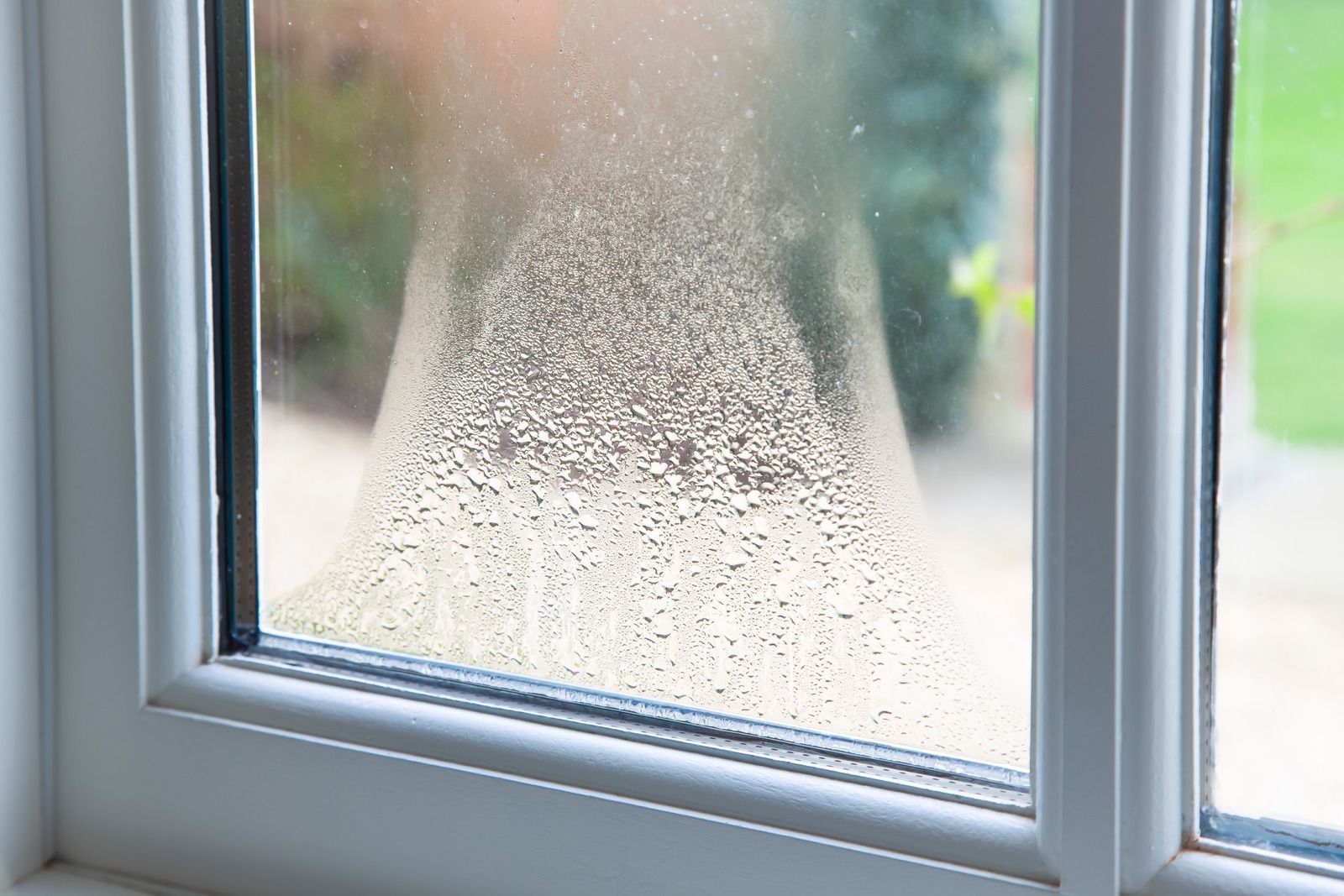
Cracking isn't the only wintertime symptom. Warping and separation often trace back to moisture that got behind the siding rather than temperature alone. Ice dams form when heat leaking from your attic warms the roof deck enough to melt the snow sitting on it; that meltwater runs down toward the colder eaves and refreezes right at the edge, building a ridge of ice that backs water up under the shingles. Some of that backed-up water doesn't just find its way into the attic — it runs down the wall assembly behind the fascia and can work its way behind the top courses of siding, especially where flashing has aged or where the wall isn't fully protected by house wrap.
Wind adds a second path in. Chicago-area winter storms rarely fall straight down, and wind-driven snow and rain can push moisture up and under panel edges that would stay dry in calm weather. Once water gets behind a panel, it doesn't just sit there — it freezes. And frozen water expands, which is exactly the kind of pressure that pries a panel away from its fasteners or leaves it visibly bowed once things thaw. That's a different mechanism than thermal contraction cracking, but it produces a similar-looking result: siding that no longer lies flat against the wall.
Homeowners sometimes assume gaps or waves in siding are purely a movement issue and re-nail the panel without checking for what's happening underneath. If the area stays damp, smells musty, or the panel feels soft when you press on it, moisture — not just temperature — is probably part of the story.
Sun-Facing Walls Warp Differently Than Shaded Ones
Not every wall of your house ages the same way, and winter tends to expose that unevenness. South- and west-facing walls take direct sun for more hours across the year, and darker siding colors absorb noticeably more of that heat — a dark blue or forest green panel can expand something like 25 percent more than white or cream siding under the same conditions. That extra expansion and contraction, repeated every day for years, gradually stresses the material and its fasteners more than a shaded wall ever experiences.
The result is that warping often shows up first, and worst, on the sunniest side of the house — while the north wall of the same home, installed the same week with the same crew, looks fine. Reflected heat from nearby low-E windows can compound this on walls that face a neighbor's house or a bay window, sometimes distorting siding even when direct sun exposure looks modest. If you notice one wall consistently doing worse than the others, sun exposure and color are worth ruling in before you assume the whole installation is bad.
Old Siding Gets Brittle, and Cold Snaps Find the Weak Spots
Vinyl siding doesn't stay as flexible as it was the day it went up. UV exposure and years of expansion cycles gradually dry out the plasticizers that keep the material pliable, and older siding becomes noticeably stiffer and more prone to snapping rather than flexing. A ten-year-old panel that would absorb a stray branch or a bumped ladder without a mark might crack outright under the same contact once it's fifteen or twenty years old, especially in single-digit temperatures when even healthy vinyl loses some of its give.
This is why the worst cracking tends to show up after the coldest stretch of the season rather than during a mild winter. A run of subzero nights makes brittle siding measurably more fragile, and something as ordinary as a gust knocking a branch against the wall, or a snow shovel brushing past the foundation line, can be enough to crack a panel that's simply run out of flexibility. If your siding is pushing fifteen-plus years old and you're seeing new cracks appear with no obvious impact to explain them, age is likely doing more of the work than any single event.
Telling Cosmetic Damage From Something More Serious
A cracked panel doesn't automatically mean the same thing as a bulging one, and it helps to know which is which before deciding what to do next. Small chips, a hairline crack in one spot, or fading from years of sun are typically cosmetic — they affect how the wall looks without immediately opening a path for water. A single warped panel that still sits reasonably flat against the wall usually falls into that category too.
Structural concerns look different. Cracks that run through multiple panels, siding that feels soft or spongy when you press it, gaps opening up between panels or at the corners, and any bulging that suggests something is trapped behind the surface all point to water or wood damage underneath rather than a purely cosmetic issue. Bubbling paint, a musty smell near an exterior wall, or rising heating costs in the room behind the affected siding are signs the problem has moved past the panel itself and into the wall assembly. That distinction matters, because a cosmetic crack can often wait for a scheduled repair, while a soft or gapping section is telling you moisture is already inside and getting worse every week it sits.
Warning: Don't assume a bulge or soft spot will "dry out on its own" once the weather warms up. Trapped moisture behind siding tends to feed rot and mold in the sheathing long before it's visible from outside, and by the time staining or a musty smell reaches the interior wall, the damage has usually been building for a while.
Frequently Asked Questions
Why does my siding damage seem to appear all at once in late winter or early spring?
Stress builds gradually through the coldest months as panels contract and sometimes trap frozen moisture. The crack or buckle usually stays hidden until temperatures rise, the material relaxes, and the damage finally shows its full shape.
Can one cracked panel really mean a bigger problem with the whole wall?
It can, though not always. If a nail was overdriven or clearance was skipped at a corner, that mistake likely repeated across the wall, leaving other panels holding tension you cannot yet see.
Is warped siding always caused by the cold?
No. Heat causes warping too, especially reflected heat from nearby windows or a neighboring wall. Cold-weather warping usually comes from trapped, refrozen moisture or a panel already under tension from poor fastening, so the mechanism matters.
Reading Your Siding After a Hard Winter
Post-winter siding damage rarely comes down to a single cause. Vinyl moves with every temperature swing, and cracks, waves, or loose panels usually trace back to how much room that movement had to begin with. Tight nailing, skipped clearance, trapped meltwater, relentless sun on one wall, or material that has simply grown brittle all leave their own signature. Reading those signatures is what separates a quick cosmetic patch from a repair the wall assembly actually needs.
Knowing which mechanism is at work matters more than reacting to the first crack you spot, since a bowed panel over damp sheathing tells a very different story than a hairline chip. Homeowners across Oswego, IL have leaned on the 10
years of hands-on siding experience that Gordo and Diana at A&D Exteriors and Remodeling
bring to that judgment call, checking the nailing pattern and what sits behind a bulge before deciding how far the fix really goes.